
Key takeaways
- Mineral kitchen walls need limewash that copes with steam and splashes. Compare seven interior limewash paints for washable, breathable, soft matte finishes.
What's inside
As an Amazon Associate I earn from qualifying purchases. This post may contain affiliate links at no extra cost to you.
A kitchen wall works harder than any other wall in the house. Steam rises from pots, cooking splashes land near the cooker, and hands touch the wall beside the fridge a dozen times a day. The best interior limewash paints for painting mineral based kitchen walls are mineral paints that keep the cloudy, matte character of a limewash while coping with that daily contact. They need a lime base that bonds to mineral surfaces, a finish that can be sealed or washed where the maker allows it, and a color range that suits a room where food, timber, tile, and steel all meet.
Mineral based kitchen walls usually mean one of three surfaces: bare lime plaster, cement render, or mineral board, sometimes with an old painted layer on top. Limewash suits all three when the surface is absorbent and sound, because the lime bonds with the mineral surface instead of sitting on it as a film. The wall keeps breathing, so steam passes through the finish rather than condensing behind it, and the matte surface hides the small marks that a gloss paint would show. What limewash does not do on its own is resist water and grease. Most makers list their limewash as non-wipeable unless a sealer goes over it, so the honest way to plan a kitchen is to choose the paint for its bond and its color, and then add the sealer the maker lists for the splash zone.
Color choice in a kitchen follows the light and the worktops. Pale warm whites open a small kitchen, soft sage and pale clay calm a busy one, and a deeper tone on one wall can anchor a large open-plan space. Limewash dries lighter than it looks wet, and the cloudy movement shows most clearly in mid-tones, so brush a sample on a board and hold it against the worktop and the tile before you commit. The seven paints below were chosen for mineral kitchen walls specifically: each one lists interior use on mineral surfaces, and each one carries maker guidance on sealing, washing, or both, so you can match the paint to the wettest part of your kitchen.
Quick verdict
If the kitchen wall will be touched and wiped often, start with Graphenstone Siena. The maker lists Class 1 washability for this lime interior paint, VOC under 1 gram per litre, and coverage of 5 to 6 square metres per litre for two coats. It is the only paint in this group with a listed washability class, and that single fact makes it the practical lead for a working kitchen.
KEIM Limewash is the pick for bare mineral walls with history behind them. The maker lists pit lime matured at least three years with natural mineral pigments, a two-coat system with no primer on bare masonry, and a water vapor permeability of 75 to 85 perms. It suits lime plaster and porous mineral surfaces directly, which is the surface a mineral kitchen usually presents.
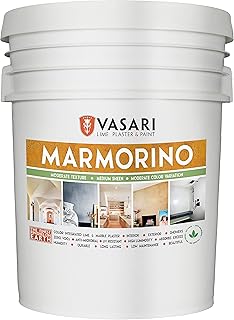
Vasari Lime Paint suits kitchens where you want a burnishable finish and a wide color range. The maker lists 180 colors in a natural mineral paint of crushed limestone and powdered marble, coverage of about 200 square feet per gallon per coat, and a minimum of two coats. The paint can be finished with the maker's Mineral Sealer for added protection against dirt, stains, and water marks, which is the step that makes it kitchen-ready.
Kalklitir Kalkpaint is the pick when the maker names the kitchen outright. The maker lists interior walls including bedroom, kitchen, and bathroom for this powdered lime paint, which mixes one part powder to 1.7 parts water and covers about 12 square metres per 500 grams in two coats. Twenty colors and a sample chip set keep the choice simple.
Romabio Classico Limewash suits a mineral kitchen wall that is bare and absorbent. The maker lists an authentic slaked-lime paint made in Italy with Dolomite lime, a one-coat process with no primer on absorbent masonry, and a very flat finish in seven curated whites and neutrals. It is the most direct lime-to-lime finish in this group, and it suits the dining wall and the wall above the tile line, where the wall is seen at an angle and the light shifts through the day.
Romabio Velatura Mineralwash suits the dining side of a kitchen, where the wall is seen at an angle and the light shifts through the day. The maker lists it as an authentic mineral-based paint that creates a limewash look on interior drywall in two easy steps with no primer, and recommends it for bedrooms, living rooms, and other common areas. The first coat goes on in a crosshatch pattern, the second coat is diluted 50 to 80 percent with water and worked with a brush and a cloth, and the maker lists a dry time of 4 to 6 hours. It is toxin-free with zero VOC, and it is not washable, so keep it on the dining wall and above the tile line.
Meoded MobWash closes the group as the compact, eight-color limewash collection for kitchens that need a simple decision. The maker lists authentic slaked limestone, a quart covering about 50 to 75 square feet and a gallon about 200 to 300 square feet for two coats, with at least eight hours of drying between coats. The maker's MobWash Mineral Primer prepares drywall and previously painted surfaces.
| Product | Key spec | Best for |
|---|---|---|
| Graphenstone Siena | Class 1 washability; VOC under 1 g per litre | Kitchens that need a washable wall |
| KEIM Limewash | Pit lime matured 3+ years; 75-85 perms vapor permeability | Bare mineral kitchen walls |
| Vasari Lime Paint | 180 colors; Mineral Sealer topcoat listed | Burnishable finish with sealing |
| Kalklitir Kalkpaint | Kitchen listed by maker; 20 colors | Maker-named kitchen use |
| Romabio Classico Limewash | 1-coat process; no primer on absorbent masonry | Bare mineral kitchen walls |
| Romabio Velatura Mineralwash | No primer on drywall; zero VOC; 2 coats | Limewash look on the dining wall |
| Meoded MobWash | 8 colors; 200-300 sq ft per gallon, two coats | Simple eight-color decision |
How we chose
We started from the family pool of verified interior limewash paints and kept only products whose makers list them for interior use on mineral surfaces, with a lime base and a matte finish. Every specification in this article comes from the maker or retailer page listed in the sources file for this lot. Where a maker does not list a figure, we say so rather than filling the gap.
Kitchen fit came first. A kitchen paint must cope with steam, splashes, and touch, so we favored products with a listed washability class, a maker-listed sealer, or an explicit kitchen listing. One product in this group carries a washability class, two carry maker-listed sealers, and one names the kitchen directly. The rest are honest mineral paints for the drier parts of a kitchen, and their sections say so plainly: use them on the dining side of the room or above the tile line, and seal the splash zone.
Mineral bond came second. A mineral kitchen wall is usually lime plaster, cement render, or mineral board, and limewash bonds best to absorbent mineral surfaces. We favored paints whose makers list those surfaces directly, and paints that need no primer on bare masonry. Where a paint needs a primer on drywall or previously painted walls, the section names the primer, because a kitchen repaint usually meets a painted wall rather than a bare one.
Color range and sample access came third. A kitchen brings together worktops, tile, timber, and steel, so the paint color must sit well with all of them. We kept both broad palettes and small curated ones, and we favored makers that sell sample pots, sample kits, or small sample sizes, because a kitchen shade should be checked against the worktop in daylight before the whole wall is painted.
Overlap with sibling articles in this family was checked against every interior limewash paint article already on disk. The seven products here share at most three products with any other article in the family, measured from the product headings in those articles.
Graphenstone Siena
- Base: lime interior paint with a limewash effect, made from aerated lime
- Colors: 16 earth colors plus English Heritage colors
- VOC: the maker lists VOC under 1 gram per litre
- pH: 13, per the maker
- Washability: Class 1 washability, per the maker
- Sizes: 1, 4, 12, and 15 litre
- Coverage: 5 to 6 square metres per litre for two coats
- Certification: Cradle to Cradle Certified Gold, per the maker
- Samples: sample pots available
Graphenstone Siena leads this group because it is the only paint here with a listed washability class. The maker describes it as a lime interior paint with a limewash effect, made from aerated lime, and lists Class 1 washability alongside VOC under 1 gram per litre and a pH of 13. In a kitchen, that combination matters more than color range: the wall can be wiped gently when cooking marks appear, while the finish keeps the soft, cloudy character of a limewash instead of turning into a flat plastic film.
The palette is small and earthy, with 16 earth colors plus English Heritage colors. For a kitchen, that is enough, because the shades are the warm whites, clays, and muted tones that sit well with timber worktops and stone or tile splashbacks. The maker lists Cradle to Cradle Certified Gold and notes that the paint absorbs carbon dioxide as it hardens, which reflects the mineral character of the finish. Coverage runs 5 to 6 square metres per litre for two coats, and the paint comes in sizes from 1 litre to 15 litre, so a small kitchen needs only a few litres while a large open-plan space can be covered from the bigger sizes.
Sample pots are available, and they are worth using against the worktop and the tile. Brush two coats on a board, hold it beside the cooker wall in daylight, and check how the color sits with the steel and the timber. Siena is the paint to choose when the kitchen wall must look soft and still stand up to daily contact, and it works well on the wall behind the dining table as well as the wall beside the worktop.
Pros:
- Class 1 washability, the strongest cleaning claim in this group
- Low VOC under 1 gram per litre, per the maker
- Cradle to Cradle Certified Gold
- Small, earthy palette suited to kitchens
Cons:
- Palette is narrow at 16 earth colors plus heritage shades
- Coverage per litre is modest for large open-plan kitchens
- Washability still needs gentle cleaning, not scrubbing
KEIM Limewash
- Base: pit lime matured at least 3 years, with natural mineral pigments
- pH: 11, per the maker
- Specific weight: 1.44 grams per cubic centimetre
- Coats: 2-coat system with no primer on bare masonry
- Vapor permeability: 75 to 85 perms, per the maker
- Reversible: up to 1 week, per the maker
- Gloss: 2.0 at 85 degrees
- Surfaces: interior and exterior porous mineral surfaces
KEIM Limewash is the mineral purist in this group. The maker lists pit lime matured at least three years with natural mineral pigments, a pH of 11, and a two-coat system that needs no primer on bare masonry. That last point is the practical advantage for a mineral kitchen: when the wall is bare lime plaster or cement render, the paint goes straight on, and the lime bonds with the surface as it hardens. The maker lists a water vapor permeability of 75 to 85 perms, which means steam from cooking passes through the finish rather than condensing behind it.
The finish is a flat mineral matte at 2.0 gloss at 85 degrees, and the maker lists the paint as reversible for up to one week, which gives a short window to correct a coat that did not take. That reversibility is unusual among limewash paints and reflects the traditional character of the formula: the paint is lime and pigment, with no film-forming binder to lock it in place. For a kitchen, that means the wall stays breathable and the finish ages as a mineral surface rather than peeling as a coating.
KEIM suits the drier parts of a kitchen best: the dining wall, the wall above the tile line, and the ceiling. Near the sink and the cooker, the wall needs the tile or a sealer the maker lists for that paint, because a bare limewash is not a wipeable surface. Check the color on a board against the worktop before painting, because the mineral pigments shift as the paint dries, and the final shade only appears once the lime has hardened.
Pros:
- No primer needed on bare masonry, per the maker
- High vapor permeability suits steamy kitchens
- Pit lime matured at least three years
- Reversible for up to one week after application
Cons:
- Needs tile or a sealer in the splash zone
- Palette and size details are not listed in the pool record
- Traditional formula needs care with drying conditions
Vasari Lime Paint
- Base: natural mineral paint from crushed limestone and powdered marble
- Colors: 180 listed colors
- VOC: the maker lists low VOC
- Sizes: quart, gallon, and 5 gallon in the maker instructions
- Coverage: about 200 square feet per gallon per coat
- Coats: minimum 2 coats
- Finish: matte or soft sheen; can be burnished to a soft glow
- Primer: Mineral Primer for new drywall and best results
- Sealer: Mineral Sealer listed for added protection against dirt, stains, and water marks
- Samples: sample boards and swatch cards
Vasari Lime Paint earns its place for kitchens through the sealer. The maker describes it as a natural mineral paint made from crushed limestone and powdered marble, applied in a minimum of two coats to a matte or soft sheen, and burnishable to a soft glow if you want more light on the wall. The paint can be thinned with water to a lime wash effect, and the maker lists its Mineral Sealer as a topcoat for added protection against dirt, stains, and water marks. That sealer is the step that makes a Vasari kitchen wall practical: paint the wall, let it harden, and seal the splash zone.
The 180-color range is broad enough for a kitchen, and the maker offers sample boards and swatch cards for checking a shade at home. Coverage runs about 200 square feet per gallon per coat, so a gallon covers a kitchen wall in two coats with paint to spare. The maker lists the paint for interior drywall at a level 4 finish or higher, and for exterior surfaces as well, so the same paint can run from the kitchen into an adjoining dining room without a visible change in character.
Application is flexible: the maker lists brush, roller, or spray, though a brush gives the cloudy limewash movement most clearly. New drywall needs the maker's Mineral Primer first, and the paint needs at least 24 hours for the primer to dry. For a kitchen, that preparation is worth the time, because the primer gives the lime an even base and the sealer gives the finished wall its protection.
Pros:
- Maker-listed Mineral Sealer for the splash zone
- Broad palette of 180 colors
- Burnishable to a soft sheen for more light
- Can be thinned to a lime wash effect
Cons:
- Sealer is an extra step and an extra purchase
- New drywall needs Mineral Primer first
- Low VOC is listed without a figure in the pool record
Kalklitir Kalkpaint
- Base: powdered lime paint from 100 percent natural minerals
- Colors: 20 listed colors
- Mix: 1 part powder to 1.7 parts water
- Coverage: 500 grams covers about 12 square metres in two coats
- Coats: 2 coats with a natural-bristle brush
- Surfaces: interior walls including bedroom, kitchen, and bathroom, per the maker
- Samples: sample chip set available
Kalklitir Kalkpaint is the only paint in this group whose maker names the kitchen directly. The maker lists interior walls including bedroom, kitchen, and bathroom for this powdered lime paint, which arrives as a powder and mixes one part powder to 1.7 parts water. The finish is a deep, velvety matte with the character of a stone wall, and the maker describes it as easy to apply even for a first-time painter.
The powder format has a practical advantage in a kitchen: you mix only what you need for each coat, and the dry powder keeps well between projects. A 500 gram pack covers about 12 square metres in two coats, so a small kitchen needs little powder, and the 20-color range keeps the choice simple. The maker offers a sample chip set for checking the shade, and the paint goes on in two coats with a natural-bristle brush.
For a kitchen, the honest note is that a powdered lime paint is still a mineral matte finish, not a washable coating, so the wall beside the cooker still benefits from tile or a sealer the maker lists. Use Kalkpaint on the dining wall, the wall above the tile line, and the ceiling, where its velvety matte and stone-like character show best. Mix the powder with clean water, stir it well, and brush it in the same cross-hatch pattern as other limewash paints, keeping a wet edge so the coats blend.
Pros:
- Maker lists kitchen use directly
- Powder format lets you mix only what you need
- Simple 20-color range with a sample chip set
- Deep, velvety matte finish
Cons:
- Palette is narrow at 20 colors
- Mixing adds a step before painting
- Still a matte mineral finish, not a wipeable coating
Romabio Classico Limewash
- Base: authentic slaked-lime paint with Dolomite lime, made in Italy
- Colors: 7 curated whites and neutrals, tintable to light and medium-light shades
- VOC: the maker lists 3.9 grams per litre ready to use; the sell sheet markets zero VOC
- Sizes: 1 litre, 2.5 litres, and 15 litres
- Coverage: 1 litre covers 80 to 100 square feet for one coat at 50 percent dilution
- Coats: 1 coat, diluted 50 to 100 percent with water
- Dry time: 10 to 60 minutes
- Finish: very flat finish, per the maker
- Primer: no primer on absorbent, unpainted masonry
- Cure: the lime finishes hardening up to 20 to 25 days after application, per the maker data sheet
Romabio Classico Limewash suits a mineral kitchen wall that is bare and absorbent. The maker describes it as an authentic slaked-lime paint handcrafted in Italy with Dolomite lime, applied in a one-coat process with no primer on absorbent masonry, and drying to a very flat finish with an aged, distressed character. On a bare lime plaster or cement render kitchen wall, that is the most direct mineral finish in this group: the paint soaks into the surface, bonds as it hardens, and leaves the texture of the wall visible through a soft wash of color.
The paint must be diluted 50 to 100 percent with water before application, and the maker lists coverage of 80 to 100 square feet per litre for one coat at 50 percent dilution. A litre covers a small wall, and a 2.5 litre container covers a kitchen. The seven curated colors run from Avorio White and Bianco White through Cristallo White, Nube Gray, Riposo Beige, Toscano Beige, and Tropea Beige, and the paint can be tinted to light and medium-light shades with natural earth oxide pigments. For a kitchen, that pale range is ideal: it opens a small room and sits well with timber, tile, and steel.
Dry time runs 10 to 60 minutes, and the maker notes that the lime keeps hardening for 20 to 25 days after application, so the color keeps settling during that time. The paint can be removed from most brick within two days of application, which gives a short window to correct a coat. For a kitchen, use Classico on the dining wall and above the tile line, and keep it away from the direct splash zone, because the maker lists the paint as not intended as a solid finish and the finish is not wipeable. Dampen the surface with water before painting, work the wall from top to bottom with a masonry brush, and avoid painting in full sun.
Pros:
- No primer needed on absorbent, unpainted masonry
- One-coat process with a very flat finish
- Authentic slaked lime with Dolomite lime, per the maker
- Seven curated whites and neutrals suited to a kitchen
Cons:
- Only light to medium-light colors, so deep shades are not available
- Must be diluted before use, which adds a step
- Not wipeable, so keep it away from the splash zone
Romabio Velatura Mineralwash

- Base: authentic mineral-based paint that creates a limewash look on interior drywall
- Colors: Bianco White base with custom tinting; 6 or more pre-tinted colors
- VOC: the maker lists toxin-free and zero VOC
- Sizes: 1 litre and 2.5 litre; 15 litre listed on the maker sell sheet
- Coverage: 1 litre covers 100 to 140 square feet per coat; 2.5 litres covers 250 to 350 square feet per coat
- Coats: 2 coats; first coat undiluted or with up to 5 percent water, second coat diluted 50 to 80 percent with water
- Dry time: 4 to 6 hours between coats
- Finish: very flat finish, per the maker
- Primer: no primer needed on drywall or painted surfaces
- Surfaces: interior pre-painted or unpainted gypsum board (drywall); recommended in bedrooms, living rooms, and other common areas; not recommended for high-traffic areas
Romabio Velatura Mineralwash suits the dining side of a kitchen, where the wall is seen at an angle and the light shifts through the day. The maker describes it as an authentic mineral-based paint that creates a limewash look on interior drywall in two easy steps with no additional primer, and recommends it for bedrooms, living rooms, and other common areas. The first coat goes on undiluted or with up to 5 percent water in a crosshatch pattern, and the second coat is diluted 50 to 80 percent with water and worked with a brush and a cloth, which builds the cloudy movement that makes a kitchen wall feel soft rather than flat.
The paint goes directly onto interior drywall, pre-painted or unpainted, with no primer, which saves a step when the kitchen wall already carries an old painted layer. The maker lists a dry time of 4 to 6 hours, so two coats fit into a single day, and coverage runs 100 to 140 square feet per litre for one coat. The Bianco White base is a pure, bright white that the maker describes as perfect for the second coat to add cloud-like movements, and the neutral base can be custom tinted to deeper shades for a kitchen that needs a warmer wall.
Velatura is not a splash-zone paint. The maker lists it as not recommended for high-traffic areas, and notes that it is not washable and not stain-resistant, so keep it on the dining wall and above the tile line, and let tile or a maker-listed sealer carry the wall beside the sink and cooker. The maker lists the paint as toxin-free and zero VOC, which suits a room where food is prepared. For medium to darker colors, the maker says to use the same color for both coats, while for whites and lighter colors a slightly darker shade on the first coat creates more tonal variation.
Pros:
- Made for a limewash look on interior drywall, with no primer needed
- Two-coat brush and cloth technique builds cloudy movement directly
- Zero VOC and toxin-free, per the maker
- Two coats fit into a single day
Cons:
- Not recommended for high-traffic areas
- Not washable and not stain-resistant, per the maker
- Keep it away from the splash zone
Meoded MobWash
- Base: limewash made with Tonester from authentic slaked limestone
- Colors: 8 listed colors
- Sizes: quart and gallon
- Coverage: quart about 50 to 75 square feet, gallon about 200 to 300 square feet, each for two coats
- Coats: 2 coats with at least 8 hours of drying between coats
- Primer: MobWash Mineral Primer for drywall and previously painted surfaces
- Surfaces: interior and exterior
Meoded MobWash closes this group as the simple decision. The maker lists an eight-color limewash collection made with Tonester from authentic slaked limestone, with a quart covering about 50 to 75 square feet and a gallon about 200 to 300 square feet for two coats. Eight colors is a small range, but for a kitchen it removes the hardest part of the project: choosing. Pick the pale neutral that suits the worktop, or the soft earth tone that suits the timber, and the cloudy limewash finish does the rest.
The paint goes on in two coats with at least eight hours of drying between them, so a kitchen wall takes two days. The maker lists its MobWash Mineral Primer for drywall and previously painted surfaces, which is the usual kitchen situation when the wall has an old painted layer. Prime first, let the primer dry, and then brush the two MobWash coats in a cross-hatch pattern, keeping a wet edge so the coats blend into the cloudy pattern.
MobWash suits the dining wall and the wall above the tile line best. Near the sink and the cooker, tile or a maker-listed sealer protects the finish, because a limewash is a matte mineral surface rather than a wipeable coating. The small palette is the point: when the color decision is quick, the project stays quick, and the kitchen is back in use sooner.
Pros:
- Small eight-color range makes choosing fast
- Clear primer guidance for drywall and painted walls
- Generous gallon coverage for two coats
- Authentic slaked limestone base, per the maker
Cons:
- Only eight colors, so the exact shade may not be listed
- At least 8 hours between coats, so a wall takes two days
- Splash zone still needs tile or a sealer
Buying guide
Start with the wettest part of the kitchen. The wall beside the sink and the cooker sees water, steam, and grease every day, and a bare limewash is not a wipeable surface. Plan tile or a stone splashback for that zone, and use limewash above the tile line and on the dining wall, where the finish can show its cloudy character without daily contact. If you want limewash in the splash zone itself, choose a paint with a maker-listed sealer, such as Vasari with its Mineral Sealer, and apply the sealer exactly as the maker lists. Graphenstone Siena is the exception in this group, with a listed Class 1 washability that lets the wall be wiped gently.
Check the surface before you buy. A mineral kitchen wall is usually lime plaster, cement render, or mineral board, and limewash bonds best to absorbent mineral surfaces. Brush off loose material, fill cracks with a compatible filler, and clean off grease near the cooker with a degreasing wash, rinsing well afterward. A previously painted wall needs the primer the maker lists: Vasari needs Mineral Primer on new drywall, and Meoded MobWash needs its Mineral Primer on drywall and painted walls. KEIM needs no primer on bare masonry, which saves a step when the wall is bare plaster or render.
Measure the room and buy the full quantity at once, with 15 to 20 percent extra. Mineral color can vary between batches, and a second batch in a different tone would show across a kitchen wall. Check the coverage figure for the paint you chose: most paints here cover 110 to 300 square feet per gallon for two coats, so a kitchen of about 300 square feet of wall usually needs one to two gallons, while a single dining wall needs a quart. Buy the primer and the brush at the same time, and choose the brush the maker recommends, because limewash is a brush finish and a roller leaves a different pattern.
Choose the color against the worktop and the tile. Brush two coats on a board at least a foot square, using the same cross-hatch strokes you will use on the wall, and hold the board against the worktop, the tile, and the timber in daylight and under the kitchen lights. Limewash dries lighter than it looks wet, and the cloudy movement only appears at brush scale, so a small chip cannot show you the real finish. Favor pale warm whites for a small kitchen, soft sage or pale clay for a busy one, and a deeper tone on one wall for a large open-plan space.
Paint in mild conditions. Most makers list a minimum air temperature around 55 degrees Fahrenheit and ask you to avoid direct sun and extreme heat. Keep the room ventilated, work wall by wall from top to bottom, and keep a wet edge so the brush strokes blend into the cloudy pattern instead of drying as hard lines. Let each coat dry for the time the maker lists, which runs from a few hours to a full day, and do not rush the second coat. Keep the cooker off while the paint dries, and run the extractor fan when you cook during the first week so steam does not settle on the fresh finish.
FAQ
Can limewash paint go in a kitchen at all?
Yes, with the wet zone planned honestly. Limewash suits the dining wall, the wall above the tile line, and the ceiling, where its breathable matte finish handles steam well. The splash zone beside the sink and cooker needs tile, stone, or a maker-listed sealer, because most limewash finishes are not wipeable. Graphenstone Siena is the exception in this group, with a listed Class 1 washability.
Which paint in this group is washable?
Graphenstone Siena lists Class 1 washability, which is the strongest cleaning claim in this article. Vasari Lime Paint can be finished with the maker's Mineral Sealer for added protection against dirt, stains, and water marks. The other paints are matte mineral finishes that should be dusted dry rather than scrubbed, so keep them away from the direct splash zone.
Do I need a primer on a mineral kitchen wall?
Bare lime plaster and cement render usually need no primer for paints such as KEIM Limewash, which lists a two-coat system with no primer on bare masonry. Drywall and previously painted walls need the primer the maker lists: Vasari Mineral Primer or Meoded MobWash Mineral Primer. Clean grease off the wall near the cooker before priming, and let the primer dry for the time the maker lists.
How do I get the cloudy limewash look in a kitchen?
Use a brush in a cross-hatch pattern, with strokes about one to two feet long, and work in small sections while keeping a wet edge. Apply the two coats the maker lists, and let the first coat dry fully before the second. The cloudy movement comes from the lime and the brush strokes, so keep the technique loose and avoid going back over a drying section.
How much paint does a kitchen need?
A kitchen has about 250 to 350 square feet of wall, and most paints here cover 110 to 300 square feet per gallon for two coats. One to two gallons usually covers the room, and a quart covers a single dining wall. Add 15 to 20 percent extra and buy the full quantity at once, because mineral color can vary between batches.
Will steam from cooking damage a limewash wall?
A breathable limewash handles steam better than a plastic paint, because vapor passes through the finish instead of condensing behind it. KEIM lists a vapor permeability of 75 to 85 perms, and the other mineral paints in this group behave the same way. Run the extractor fan while cooking, keep the room ventilated, and avoid letting steam settle on a fresh finish during its first week.
Conclusion
A mineral kitchen wall needs a limewash that bonds to the mineral surface, copes with steam, and carries a sealer or a washable rating where the room gets wet. Graphenstone Siena leads for washability, with a listed Class 1 rating in a lime paint. KEIM Limewash leads for bare mineral walls, with pit lime matured at least three years and no primer on bare masonry. Vasari Lime Paint leads for a burnishable finish with a maker-listed Mineral Sealer for the splash zone. Kalklitir Kalkpaint leads for a maker that names the kitchen directly, in a powdered paint that mixes as needed. Romabio Classico Limewash leads for bare mineral walls, with a one-coat process and no primer on absorbent masonry. Romabio Velatura Mineralwash leads for a limewash look on the dining wall, with no primer on drywall and a two-coat brush and cloth technique. Meoded MobWash leads for a fast decision, with eight colors and clear primer guidance.
Pick the paint that matches the wettest part of your kitchen first. Tile the splash zone or seal it with the sealer the maker lists, prime drywall and painted walls with the primer the maker lists, and brush a sample on a board against the worktop and the tile before you buy. Paint in mild conditions, keep a wet edge, and let each coat dry for the time the maker lists. The wall will keep hardening for days after it feels dry, and the cloudy pattern will settle as it does. When the kitchen is back in use, the wall should read as soft mineral depth rather than flat color, and the room should feel calmer for it.
Related guides
More from Amazon
Programs that pair well with the guide above. Offers and eligibility are set by Amazon and may change.
Free shipping on eligible items, Prime Video and more. Eligible new members can start with a free trial.
Start a Prime free trialAudiobooks and podcasts to listen to on the go. Eligible new members can start with a free trial.
Try Audible freeAd-free music streaming. Eligible new subscribers can start with a free trial.
Try Music Unlimited freeA free business account with business pricing and bulk-buying tools for work, shop or home office.
Create a business accountAs an Amazon Associate we earn from qualifying purchases.
More ways to save on your next finish
Programs that pair well with the guide above. Offers and eligibility are set by Amazon and may change.
A free business account with business pricing and bulk-buying tools for work, shop or home office.
Create a business accountFast, free shipping on eligible items, plus Prime Video and more. Eligible new members can start with a free trial.
Start a Prime free trialRead from a huge library of eBooks, including how-to guides and cookbooks. Eligible new members can start with a free trial.
Try Kindle UnlimitedAudiobooks and podcasts for the commute, the garage or the kitchen. Eligible new members can start with a free trial.
Try Audible freeAs an Amazon Associate we earn from qualifying purchases. Using these links costs you nothing extra.










Write Your Review
No reviews yet. Be the first to share your experience!